Currently Empty: R0,00
AI in Education South Africa | Transforming Learning & Teaching with Artificial Intelligence
classifindinfo
- September 18, 2025
- Comment 0
Artificial Intelligence (AI) is no longer a futuristic concept—it is a present reality shaping industries worldwide. In South Africa, the education sector is embracing AI to tackle persistent challenges, enhance learning, and modernize classrooms. From personalized learning to automated administration, AI is unlocking new opportunities for both teachers and learners.
The Growing Role of AI in South African Education
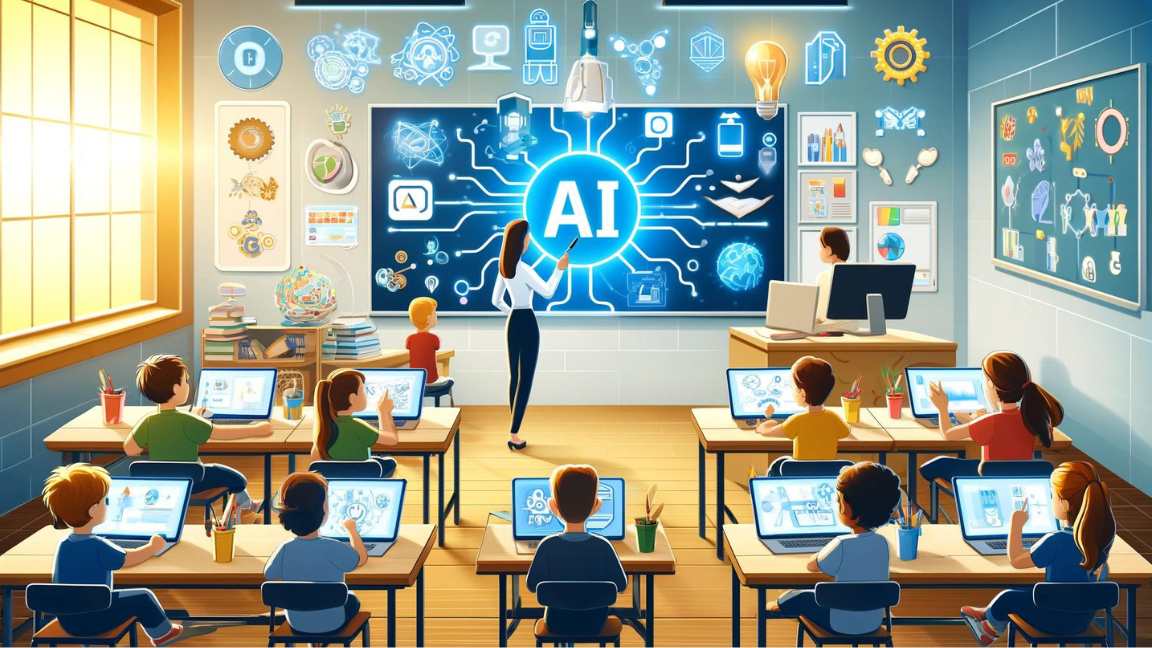
South Africa’s educational landscape is undergoing digital transformation. Schools, universities, and training institutions are increasingly adopting AI-powered technologies to create smarter, more efficient systems. AI in education is not just about replacing traditional methods but enhancing them—helping educators save time, improving access for students, and creating a more engaging learning environment.
This shift is vital for South Africa, where disparities in access to resources, large class sizes, and varying levels of teacher support often hinder quality education. By leveraging AI, the country can bridge gaps and bring innovation into classrooms nationwide.
Key Applications of AI in Education
1. Personalized Learning Experiences
AI-driven platforms analyze student performance and adapt content to individual needs. Adaptive learning systems adjust lesson difficulty based on a learner’s strengths and weaknesses. This ensures that fast learners stay challenged while others receive extra support, boosting confidence and academic results.
2. Intelligent Tutoring Systems
Virtual tutors powered by AI provide students with instant feedback and explanations. Using natural language processing, these systems can answer questions, recommend resources, and guide learners outside school hours. This extends learning beyond the classroom and supports students who may not have immediate access to teachers.
3. Automating Administrative Work
Teachers often spend significant time on grading, scheduling, and record-keeping. AI reduces this burden by automating tasks such as exam marking, attendance tracking, and enrollment management. With less time spent on paperwork, educators can focus more on teaching and mentoring students.
4. Enhanced Digital Content
AI tools create interactive simulations, gamified lessons, and multimedia resources that make learning exciting. For subjects like science and mathematics, AI-generated virtual labs and 3D models allow learners to explore concepts in ways that would be impossible in a traditional classroom.
5. Data-Driven Insights for Educators
By analyzing student attendance, participation, and performance data, AI provides actionable insights. Teachers can identify struggling learners early, implement targeted interventions, and monitor progress more effectively. This data-driven approach leads to better decision-making in schools and universities.
Benefits of AI for South African Learners and Educators
1. Expanding Access to Quality Education
AI-powered online platforms and virtual classrooms can reach students in remote areas, reducing inequalities in education. Learners in rural South Africa can access the same quality resources as those in urban schools.
2. Boosting Academic Performance
Personalized learning and intelligent tutoring help students understand complex topics more effectively. By learning at their own pace, students become more engaged and motivated.
3. Making Education More Engaging
Gamified exercises, interactive simulations, and AI-driven learning apps make studying fun. Students are more likely to retain knowledge when lessons are engaging and immersive.
4. Supporting Teachers
AI acts as a teaching assistant by handling repetitive tasks, offering resources, and providing feedback. This allows educators to spend more time on lesson planning, creativity, and student interaction.
Challenges of AI Adoption in South African Education
While the potential of AI is vast, several challenges need to be addressed:
1. Digital Divide
Not all learners have access to devices, reliable internet, or electricity. Without proper infrastructure, AI may deepen inequalities rather than solve them.
2. Teacher Training and Skills
Many educators are not fully trained to integrate AI into their teaching. Professional development and continuous training are essential for successful adoption.
3. Ethical and Privacy Concerns
AI systems collect and analyze sensitive student data. Issues such as algorithmic bias, data security, and fairness must be carefully managed to protect learners.
The Future of AI in South African Education
The future of AI in education in South Africa is promising. With the right investment in infrastructure, teacher training, and policy frameworks, AI can become a powerful tool for inclusive, high-quality education. By embracing innovation while addressing challenges, South Africa can create a system where every learner has the opportunity to succeed.
Artificial Intelligence is revolutionizing education in South Africa by personalizing learning, easing teacher workloads, and expanding access to quality resources. While challenges such as infrastructure and training remain, the potential benefits far outweigh the obstacles. With strategic implementation, AI can play a vital role in shaping the future of teaching and learning across the country.